What Pumpkin Spice Can Teach Us About Seasonal Marketing
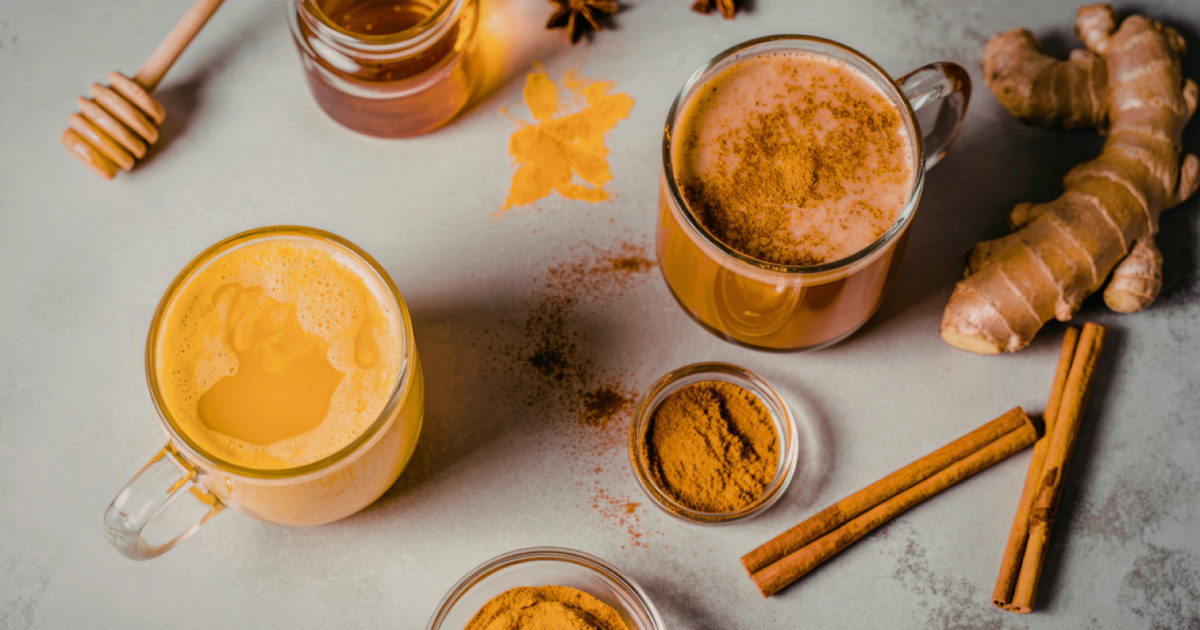
Every year, pumpkin spice has its moment.
Coffee shops bring back seasonal drinks. Grocery aisles fill with fall flavors. Brands across food, beverage, beauty, and even household products start rolling out limited-edition versions of their products.
And consumers expect it.
That’s what makes pumpkin spice interesting from a marketing perspective.
Over time, brands have turned it into a signal for the start of fall. Consumers recognize it, anticipate it, and actively look for it when the season comes around.
For CPG marketers, there’s a bigger lesson here. And the strongest seasonal brands understand this.
Quick Glance
In this article, you’ll learn:
- Why pumpkin spice became bigger than a flavor
- How anticipation influences seasonal buying behavior
- Why consistency matters in seasonal marketing
- How limited availability can make familiar products feel new
- What CPG marketers can learn from the pumpkin spice playbook
Anticipation Is Part of the Product
One of the most interesting things about pumpkin spice is that consumers often start talking about its return before they can even buy it.
Every year, there are conversations around when seasonal products will return, what new versions brands will introduce, and which familiar favorites consumers have been waiting for.
The anticipation becomes part of the experience.
For brands, this creates an opportunity to build interest before a product even reaches the shelf.
A seasonal launch can start with a teaser, a preview, an announcement, or simply the return of something consumers already know.
The important part is giving people a reason to pay attention before the purchase moment.
This doesn’t mean every CPG brand needs to manufacture hype around a limited-edition product. It means marketers should think about what their customers might genuinely look forward to seeing again.
Consistency Turns Seasonal Products Into Rituals
Pumpkin spice also benefits from consistency.
Consumers know it will come back. They know roughly when to expect it. And they know what it represents.
That predictability is part of its appeal.
When brands repeat a seasonal moment over multiple years, they give consumers more opportunities to build associations with it. Eventually, the product can become part of a yearly routine rather than simply another limited-time offer.
For CPG marketers, this is where seasonal marketing can become more valuable than a single sales spike.
A recurring seasonal launch gives brands another opportunity to build awareness, reinforce brand associations, and create familiarity with consumers.
The campaign may change from year to year, but the underlying seasonal connection stays recognizable.
Limited Availability To Make Familiar Products Feel New
Seasonal products also benefit from a natural form of scarcity.
When consumers know something is only available for a limited period, it can create a stronger reason to purchase now instead of later.
That can be particularly useful for brands with products that consumers already know.
A familiar product can feel different when it returns in a seasonal flavor, package, or format.
This doesn’t mean brands need to artificially restrict availability or rely on urgency-driven messaging.
The season itself creates a natural window.
Consumers understand that a holiday product won’t be around forever. That expectation can make the product feel more distinctive without requiring a constant discount.
The Best Seasonal Marketing Builds Around Existing Behavior
Pumpkin spice isn’t successful simply because consumers like the flavor.
It’s successful because it fits naturally into things consumers already do during fall.
They get coffee. They bake. They shop for the holidays. They spend more time at home. They start new routines. They look for seasonal products and experiences.
The product becomes part of those behaviors.
That’s a useful way for CPG marketers to approach seasonal planning.
Instead of starting with, “What should we launch for fall?” consider the consumer behavior first.
What are your customers already doing during that season?
Where does your product naturally fit?
What occasion could your brand become associated with?
A beverage brand might own the morning commute. A snack brand might focus on game days. A beauty brand might build around holiday events. A household brand might tap into the seasonal reset that happens when people spend more time at home.
The opportunity is to make the product feel relevant to something consumers are already doing.
What CPG Marketers Can Learn From Pumpkin Spice
Pumpkin spice became a seasonal phenomenon because brands consistently connected it to a moment consumers already understood.
And over time, the flavor became associated with an entire season.
CPG brands can apply the same principles without copying the product itself.
Build around an existing consumer occasion. Give people something to anticipate. Create consistency around the moment. And make sure the product has a reason to feel relevant during that particular time of year.
Because the strongest seasonal marketing doesn’t just ask consumers to buy something because it’s fall.
It gives them something they’ll actually look forward to seeing when fall comes around.
Remember: Seasonal Marketing Is About Creating Something to Look Forward To
Pumpkin spice reminds us that consumers don’t just respond to products. They respond to moments, routines, and experiences.
For CPG brands, seasonal marketing creates an opportunity to become part of those moments and build stronger associations with consumers over time.
The goal isn’t simply to launch something; it’s to create something consumers remember, recognize, and want to see again.
Continue Learning with Clout Collective
The best CPG marketers know that sustainable growth isn’t built around one campaign or one seasonal moment. It’s built through strong brands, smart strategy, and a deep understanding of consumer behavior.
Join Clout Collective to connect with fellow CPG marketers and discover the ideas shaping the future of consumer brands.