Coachella 2026: What Brand Activations Got Right (and What Everyone Else Missed)
Coachella is no longer just a music festival, it's a marketing Super Bowl for brands. What happens in the desert doesn't stay in the desert. It gets posted, shared, stitched, and turned into millions of impressions overnight.
But in 2026, one thing is clear: Not every brand that shows up actually wins.
Here's what stood out, what brands got right, and whether it's even worth it anymore.
Quick Glance
In this article, you’ll learn:
- Which brands stood out at Coachella 2026 and why their activations worked
- How 818, beauty brands, and experiential players approached the festival
- Why creators and celebrity-led ecosystems are becoming central to Coachella marketing
- How brands can create activations that generate content beyond the festival grounds
- What brands should consider before investing in Coachella
- How marketers can think about ROI beyond foot traffic and product sampling
The Brands That Actually Won (and Why)
If you zoom out, the same types of brands continue to dominate Coachella because they understand the culture.
818 Tequila: The Blueprint for "Cultural Ownership"
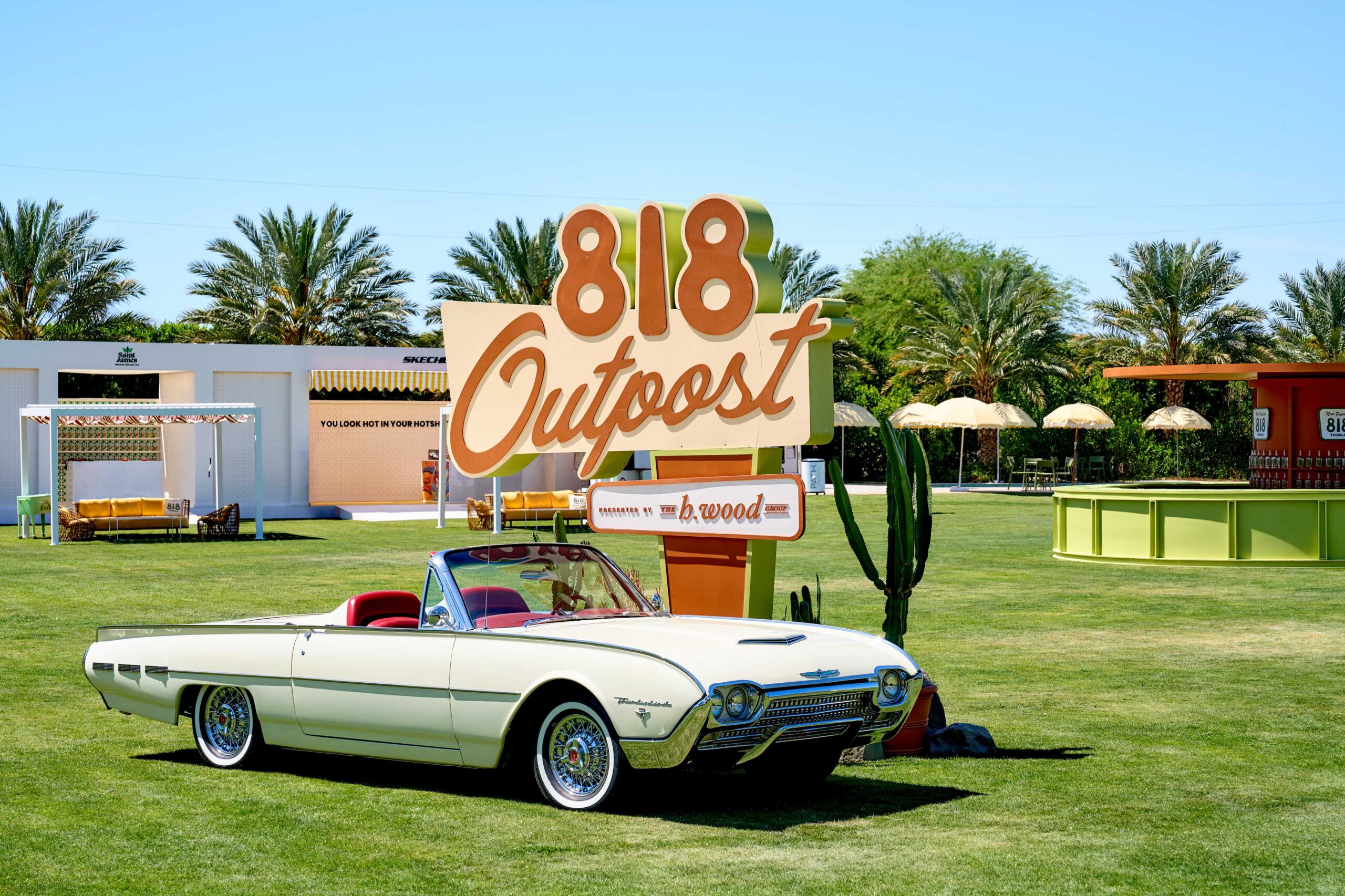
The 818 Outpost continues to be one of the most talked-about activations, less of a booth, more of a mini ecosystem.
- Invite-only access created exclusivity
- Brought in other "it-girl" brands (Rhode, Sprinter, etc.)
- Celebrity presence made it content gold
Why it worked: It felt like where you had to be.
Beauty Brands (Rhode, Sol de Janeiro, One/Size): Sensory + Shareable
Beauty continues to dominate Coachella, and for good reason.
- Sol de Janeiro created a full sensory "oasis" experience with scent, visuals, and sampling
- One/Size leaned into real-time product testing in extreme desert conditions
- Rhode tapped into viral moments with co-branded experiences and giveaways
Why it worked: They built activations that were interactive, useful (hydration, skincare, cooling down), and highly shareable. They solved problems and created content.
Experiential Giants (Amex, Aperol): Immersion Over Impressions
- American Express focused on premium, curated experiences rather than scale
- Aperol created a full Italian piazza, transporting people out of the desert entirely
Why it worked: They understood that in a sea of chaos, intentional experiences stand out more than loud ones.
Celebrity-Led Ecosystems Are Taking Over
From Kendall Jenner's 818 Outpost to Karol G's curated flea market featuring emerging brands, Coachella has become a platform for celebrity-led brand ecosystems.
These are distribution channels, cultural co-signs, and launchpads for smaller brands.
Big Takeaway: The brands that win at Coachella don't "activate." They create worlds people want to be part of.
How to Actually Stand Out in 2026
Let's be honest, Coachella is oversaturated. Thousands of brands. Millions of posts. Everyone trying to go viral.
So what works now?
1. Build for Content, Not Foot Traffic
The real audience isn't just on-site, it's online. Your activation should live on TikTok and Instagram first. If it's not filmable, aesthetic, and interactive—it won't travel.
2. Solve a Real Problem
The best activations win because they're useful: hydration stations, cooling zones, beauty touch-ups. Brands that solve pain points naturally earn attention.
3. Create Exclusivity (Even if It's Fake)
Invite-only events, gated access, VIP lists; this drives FOMO, social proof, and higher-quality content. Coachella has become a status game, and brands are playing into it.
4. Collaborate, Don't Compete
The smartest brands are partnering with other brands, sharing audiences, and building ecosystems. 818 didn't win alone—it won by bringing others in.
Coachella = The "Influencer Olympics"
Let's address the elephant in the room. Coachella has officially become: A status symbol for creators.
Being "sent to Coachella" now signals you've made it, you're brand-approved, and you're culturally relevant.
It's gotten to the point where influencer presence can overshadow the music itself, and entire off-site events are built just for creators.
This changes the dynamic entirely. Brands aren't just activating for attendees—they're activating for 50–100 high-value creators who will generate millions of impressions.
So… Is It Actually Worth It for Brands?
Short answer: It depends.
It is worth it if you have a clear content strategy, you're leveraging creators effectively, and you're building something differentiated.
It's not worth it if you're just showing up for visibility, you don't have a distribution plan, or your activation isn't memorable.
Because here's the truth: Coachella is expensive. Attention is limited. And mediocre activations disappear instantly.
The ROI Reality
The real ROI isn't foot traffic or samples handed out. It's earned media value, creator content, and cultural relevance.
Some activations generate millions in earned media and ongoing brand lift long after the festival ends. Others? They're forgotten by Monday.
Coachella Is a Mirror of Modern Marketing
Coachella is a snapshot of where marketing is headed: Experience > Ads, Community > Reach, Creators > Campaigns.
The brands that win understand one thing: You're not just marketing a product. You're creating a moment people want to be part of—and share.
Because in 2026, the real question isn't: "Should we show up to Coachella?" It's: "Are we doing something worth showing up for?"